Smiley Apple Tree: A Designer’s Review
As an embroidery designer who has spent years testing files before they ever touch a customer’s order, I approach every new machine embroidery design with a critical yet hopeful eye. When I first loaded the Smiley Apple Tree into my software, I was looking for more than just cute aesthetics; I was evaluating its viability as a profitable, reliable product for my personalized gift shop. This review breaks down my real-world testing process, offering practical insights for fellow Etsy sellers, craft fair vendors, and small business owners considering this design for their upcoming Back To School or nursery collections.
First Impressions and Emotional Appeal
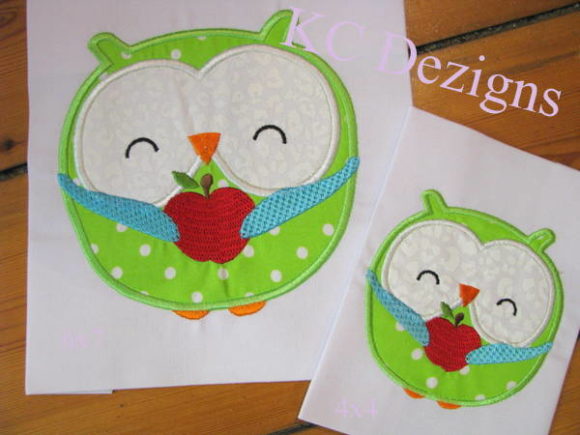
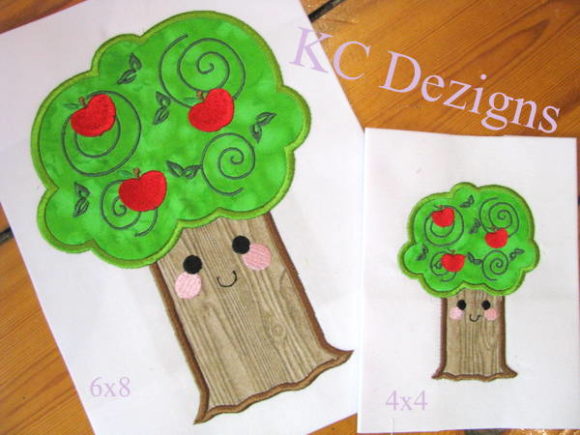
The immediate mood of the Smiley Apple Tree is undeniably sweet and playful, yet it retains a classic charm that prevents it from feeling overly juvenile. In the world of custom embroidery, striking that balance is essential. You want a design that appeals to parents buying baby embroidery items but also resonates with teachers receiving gifts or homeowners looking for cheerful kitchen decor. The smiley face integrated into the tree adds a layer of emotional connection that generic fruit designs often lack. It feels handmade and warm, suggesting a level of care that mass-produced items cannot replicate. For a handmade product seller, this emotional hook is what converts a browser into a buyer. The design reads as friendly and welcoming, making it an excellent candidate for items meant to comfort or celebrate.
Real-World Application: From Nursery to Classroom
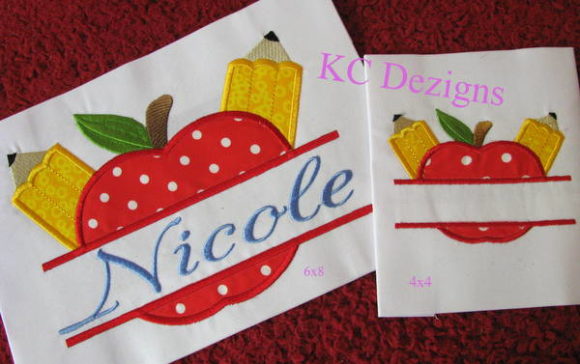
During my planning phase, I visualized exactly where this design would perform best as a finished personalized gift. Because this is a machine applique embroidery design, it offers texture and dimension that standard fill stitches cannot achieve. I tested the concept on a soft cotton blanket intended for a toddler. The applique fabric added a tactile element that is perfect for blanket embroidery, creating a keepsake that invites touch. For the Back To School category, this design shines on tote bags and aprons. Teachers love personalized items that feel unique rather than corporate, and the whimsical nature of the Smiley Apple Tree fits perfectly in a classroom environment without being childish.
I also evaluated its potential as a wedding gift or family keepsake. While "smiley" suggests playfulness, when stitched in muted, vintage thread colors on a linen pillow cover, the design transforms into a nostalgic folk-art piece suitable for a farmhouse-style wedding or anniversary gift. This versatility is gold for Etsy seller inventory management; one digital embroidery file can serve multiple niches simply by changing the fabric base and thread palette. However, always verify the specific licensing terms of your embroidery file to ensure you are cleared for commercial use on these varied products.
Navigating Fabric Challenges and Technical Limits
While the Smiley Apple Tree is charming, my testing revealed specific areas where caution is required. Applique designs rely heavily on the interaction between the stitch and the base material. I found that highly textured fabrics, such as terry cloth for an embroidered towel, can sometimes obscure the finer details of the smiley face. If you plan to stitch this on towels, you must use a water-soluble topping to keep the stitches crisp and visible. Without it, the charm gets lost in the pile.
Stretchy baby clothes present another challenge. Knit fabrics can distort under the weight of applique layers if not properly stabilized. During my test run on a onesie, I had to adjust my stabilizer choice to prevent puckering. Always test on scrap fabric that matches your final product's weight and stretch. Additionally, be mindful of dark fabrics. High contrast is necessary for the smiley expression to read clearly from a distance. If stitching on navy or black, ensure your applique fabric and top threads provide enough pop, or consider adding a light outline stitch to define the edges against the dark background.
Critical Checks Before Stitching Customer Orders
Before listing this as a small shop product or fulfilling a custom request, run through this practical checklist derived from my own studio workflow:
- Verify Hoop Size: Never assume the design fits your preferred hoop. Check the exact dimensions in your software before hooping expensive blank goods.
- Test Stitch Density: Applique can be heavy. Ensure the density isn't too thick for delicate baby knits or too sparse for sturdy canvas totes.
- Thread Color Contrast: Create a printable mockup or digital preview showing the design on both light and dark backgrounds to help customers visualize the final result.
- Stabilizer Selection: Match your backing to the fabric. Use cut-away for stretchy items and tear-away for stable wovens like quilting cotton.
- Wash Testing: If selling items for babies or kitchens, wash your test sample. Applique edges can fray if the satin stitch column is too narrow or the tack-down stitch is insufficient.
- Licensing Confirmation: Double-check that your purchase includes rights for selling finished products versus just the digital file itself.
Impact on Perceived Value and Buyer Trust
In the competitive landscape of commercial embroidery, the quality of your stitch-out directly correlates to perceived value. The Smiley Apple Tree, when executed correctly, elevates the status of a simple item to a cherished heirloom. Customers can distinguish between a rushed job and a thoughtful creation. By taking the time to align your applique fabrics perfectly and ensuring smooth satin stitch edges, you build trust. Buyers returning for a second personalized gift do so because they know your finished product will look as good after ten washes as it did in the listing photo.
Photography plays a massive role here. Because this design has dimensional texture, flat lay photos often fail to capture its beauty. I recommend photographing the embroidered item at a slight angle with natural side lighting to highlight the raised applique layers. This showcases the handmade quality and justifies a higher price point. For digital product sellers offering this as a download, providing accurate, high-resolution images of actual stitch-outs (not just software renders) significantly increases buyer confidence and reduces support questions regarding thread colors or complexity.
Final Thoughts for Makers and Sellers
The Smiley Apple Tree is a delightful addition to any embroidery library, particularly for those focusing on children’s goods, educational themes, or cheerful home decor. Its strength lies in its adaptability; it bridges the gap between seasonal Back To School merchandise and evergreen nursery staples. However, success with this design depends entirely on your technical preparation. Respect the fabric limitations, invest time in proper stabilization, and never skip the test stitch on scrap material.
For the small business owner, this design represents an opportunity to offer something that feels genuinely personal and joyful. Whether you are stitching a teacher’s tote bag or a newborn’s welcome blanket, the Smiley Apple Tree carries a warmth that resonates with buyers seeking meaningful connections through handmade goods. Just remember to check your specific file details regarding formats and sizes before beginning, as these vary by digitizer. With careful execution and creative application, this design can become a staple bestseller in your personalized gift lineup.