Owl with Pencil: An Embroidery Design Review
As a professional embroidery digitizer and product reviewer, I approach every new machine embroidery design with a critical eye. It is not enough for a graphic to look cute on a screen; it must perform under the needle and add tangible value to a finished product. When evaluating the Owl with Pencil applique design, my primary focus is on its versatility within the Back To School category and its technical viability for commercial and personal projects. This design carries a distinct academic charm, but like any specialized applique design, it requires thoughtful execution to ensure the final stitch-out meets professional standards.
First Impressions and Visual Personality
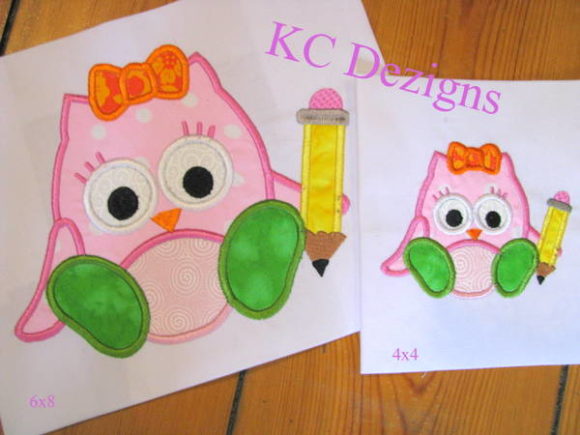
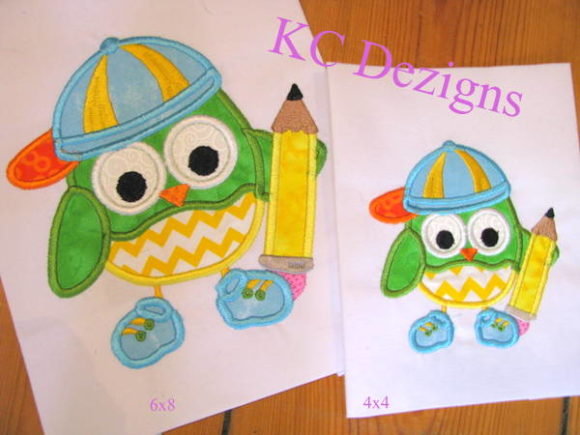
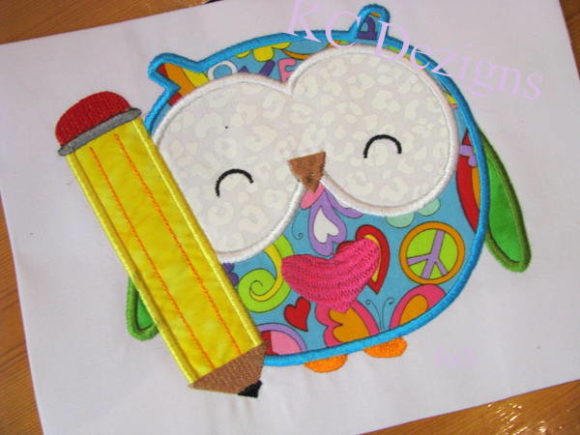
Upon loading the embroidery file into my software, the first thing that stands out is the balanced composition. The owl serves as a strong central anchor, while the pencil element adds necessary directional movement and thematic context. For an Etsy seller or small shop product creator, this visual hierarchy is crucial. It reads clearly from a distance, which is essential for items like tote bags or sweatshirts where the design needs to be recognizable in photographs and in person. The mood is studious yet approachable, avoiding the overly cartoonish aesthetic that can sometimes limit the age range of the target audience. This maturity in design allows it to bridge the gap between nursery decor and elementary school apparel, making it a versatile asset for creative entrepreneurs.
Real-World Application: The Custom Sweatshirt Test
To truly judge this design, I mentally placed it in a real-life production scenario: creating a custom embroidered crewneck sweatshirt for a third-grade teacher. In this context, the Owl with Pencil needs to withstand wear, washing, and the natural stretch of fleece fabric. As a sweatshirt embroidery project, the placement matters immensely. Center-chest positioning works best here, allowing the design to sit flat without distorting over side seams or pocket ridges.
For this specific application, I would treat the owl’s body as the primary applique area using a soft cotton or felt to reduce bulk against the fleece base. The pencil, being narrower, presents a unique challenge. If the pencil is also an applique element, the satin stitch border must be wide enough to securely hold the fabric edge without fraying after laundering. If the pencil is rendered entirely in thread, the stitch density must be managed carefully to prevent puckering on the stretchy knit. This duality makes the design an excellent test piece for stabilizer selection; a medium-weight cutaway stabilizer would be non-negotiable here to maintain registration between the running stitches, tack-downs, and final satin borders.
Navigating Fabric Textures and Hoop Constraints
While this design shines on stable knits, crafters must exercise caution when applying it to textured or delicate substrates. As a tote bag design on canvas, the Owl with Pencil performs beautifully because the tight weave supports crisp satin edges. However, if you are attempting this on a terry cloth towel or a ribbed baby onesie, the texture can interfere with the clean lines required for a polished look. For baby embroidery specifically, I recommend testing the design on scrap fabric first. Baby garments often have seams and snaps that limit usable hoop space. You must verify your hoop size compatibility before purchasing or stitching, as resizing an applique design too drastically can distort the placement lines and ruin the alignment of the fabric pieces.
Dark fabrics also warrant a strategic pause. While the owl likely has a defined outline, contrast is key for visibility. If stitching on navy or black, ensure your thread colors provide sufficient pop. A white or cream satin border around the applique shapes helps define the silhouette against dark backgrounds, whereas matching the border to the fabric color might cause the design to visually disappear in low-light photos or physical displays.
Commercial Viability for Makers and Sellers
For those running a craft business or selling on Etsy, time is money. The efficiency of this digital embroidery file directly impacts profit margins. Applique designs generally stitch faster than full-fill designs, but only if the pathing is optimized. When reviewing this file, check for excessive jumps or trims. A well-digitized Owl with Pencil should minimize machine stops, keeping your production flow smooth. Furthermore, consider the perceived value. A cleanly executed applique suggests high-quality craftsmanship to buyers. Ragged edges or poor registration signal amateur work. Using this design effectively builds customer trust and reinforces brand consistency across your shop’s inventory.
This design also lends itself well to bundling. As part of a larger Back To School collection, it pairs logically with backpack tags, lunchbox labels, or personalized pencil cases. For commercial embroidery clients, such as schools or tutoring centers, this motif offers a professional yet friendly branding opportunity that generic clip art cannot match. Always confirm licensing terms before selling finished items or using the design in printable mockups for digital listings. Understanding whether you have rights for physical products versus digital assets protects your business from legal issues down the road.
Technical Notes for Flawless Execution
Before committing this design to a sellable handmade product or personalized gift, adhere to these practical designer guidelines:
- Test Stitching is Mandatory: Never run this design directly on a final garment without a test. Use a scrap of similar weight and texture to check tension and alignment.
- Stabilizer Selection: Match your stabilizer to the fabric, not just the design. Stretchy fabrics require cutaway; stable wovens can use tear-away. The wrong choice will cause the applique fabric to pucker or shift.
- Thread Contrast Check: View your color chart in grayscale. If the owl blends into the background in black and white, it lacks necessary contrast. Adjust thread colors accordingly.
- Inspect Small Details: Zoom in on the pencil tip and any facial features. Ensure the satin columns are wide enough to cover the raw edge of the applique material completely. Gaps here are common failure points.
- Mockup Accuracy: When creating listing photos, use realistic textures. A flat digital preview does not show how the design interacts with fabric grain. Showcasing a real stitch-out builds buyer confidence.
- Wash Testing: If selling children’s apparel or kitchen textiles, wash and dry your test sample three times. Inspect the satin stitch borders for fraying and the applique fabric for bubbling. Durability equals repeat customers.
Final Thoughts on Design Utility
The Owl with Pencil is more than just a seasonal novelty; it is a functional design asset with broad appeal across multiple product categories. Its success lies in the maker's ability to respect the technical requirements of machine applique. By paying attention to fabric compatibility, stabilizer choices, and color contrast, you transform a simple digital file into a premium finished product. Whether you are crafting a holiday embroidery gift for a favorite educator or stocking your shop with back-to-school essentials, this design offers the right blend of whimsy and professionalism when executed with care. Always prioritize quality control over speed, and let the integrity of your stitching speak for your brand.