Boy Cookie with Pencil: A Crafter's Review
As an experienced embroidery designer preparing for the upcoming weekend craft fair season, I am constantly evaluating which digital assets will translate best into physical sales. When reviewing the Boy Cookie with Pencil machine applique embroidery design, my primary focus is on commercial viability and production efficiency. This is not just about whether a design is cute; it is about whether it can anchor a booth display, drive impulse purchases, and maintain quality across various substrates. For Etsy sellers, boutique makers, and creative entrepreneurs, understanding the practical application of this Back To School themed design is essential for maximizing return on investment.
First Impressions and Visual Marketability
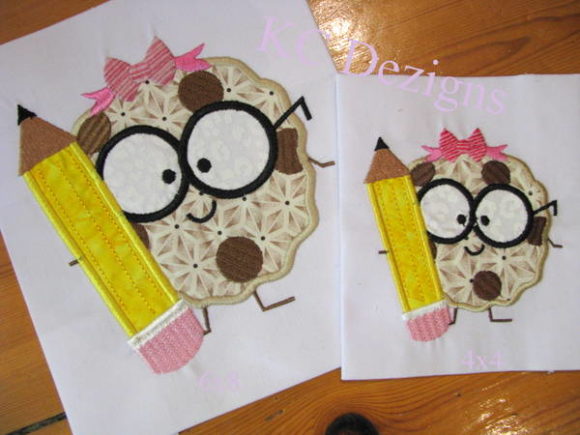
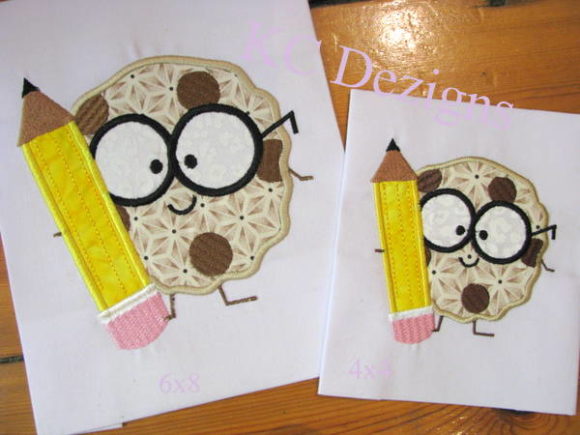
Upon loading the embroidery file into my software, the immediate impression of Boy Cookie with Pencil is one of playful nostalgia mixed with modern farmhouse charm. The combination of a gingerbread-style boy character holding a pencil strikes a balance between festive and educational. It does not feel overly juvenile, which expands its target demographic beyond just toddlers to include teachers, homeschool parents, and students who appreciate whimsical stationery aesthetics. For a handmade product lineup, this design reads as "cozy academic," making it highly marketable during the late summer and early autumn rush.
The visual weight of the design suggests it will serve best as a focal point rather than a subtle accent. In a crowded craft fair environment, customers scan tables quickly. The bold silhouette typical of machine applique ensures that Boy Cookie with Pencil remains legible from a distance of three to four feet. This visibility is crucial for stopping traffic at a booth. However, the inclusion of the pencil element adds a linear detail that requires careful attention to stitch definition to prevent it from looking muddy when viewed up close.
Best Performing Products for Craft Fairs
Not every embroidered item sells equally well at markets. Based on the composition of Boy Cookie with Pencil, I have identified specific products where this design offers the highest profit potential and visual appeal.
- Tote Bag Design: Canvas tote bags are the premier vehicle for this design. The flat weave of cotton canvas provides an ideal foundation for machine applique, allowing the raw edges to fuse cleanly without sinking into the fabric. A natural or cream-colored tote featuring Boy Cookie with Pencil creates a high-contrast, premium look that justifies a higher price point than synthetic alternatives.
- Apron Embroidery: Teacher appreciation gifts are a massive niche. Placing this design on the chest or lower pocket of a denim or twill apron transforms a utility item into a personalized statement piece. The durability of applique makes it suitable for washable garments, which is a key selling point for parents and educators.
- Tea Towel Embroidery: While towels are popular, they present challenges. For Boy Cookie with Pencil to succeed on tea towels, you must use low-pile or flour sack textiles. High-pile terry cloth will swallow the fine details of the pencil and the facial features. If executed correctly on the right fabric texture, these become excellent add-on items or bundle components.
- Fabric Pouches and Zipper Bags: Small shop product success often relies on lower-priced entry points. Stitching this design onto zipper pouches creates perfect "back to school" supply holders. These are batch-production friendly and allow you to utilize scrap fabrics effectively while showcasing the design assets.
Production Realities and Technical Considerations
While the aesthetic is charming, the technical execution determines profitability. As a machine applique embroidery design, Boy Cookie with Pencil requires specific handling to ensure commercial grade results. You will need an embroidery machine and appropriate software to use this design, but beyond hardware, you need process discipline.
Stitch Density and Fabric Texture
Applique designs generally have lower stitch counts than full-fill embroidery, which reduces production time and thread usage. However, you must verify the stitch density in your software before mass production. If the satin stitch border securing the applique fabric is too narrow, it may fray after washing, leading to customer returns. Conversely, if the tack-down stitches are too dense on lightweight fabrics like quilting cotton, you risk puckering. Always test the design on scrap fabric that matches your final product weight. For textured surfaces like linen or slub cotton, consider using a water-soluble topping to keep the stitching crisp and visible.
Hoop Size and Stabilizer Selection
Check the required hoop size before committing to a product line. If Boy Cookie with Pencil is sized for a 5x7 hoop, it limits your ability to place it centrally on larger items without re-hooping or risking alignment issues. For tote bags and aprons, proper stabilization is non-negotiable. Use a medium-weight cut-away stabilizer for stretchy fabrics or knits to prevent distortion, and a tear-away for stable wovens like canvas. Never rely solely on spray adhesive; mechanical hooping tension combined with adequate backing ensures the pencil detail remains straight and the boy’s proportions stay accurate.
Selling Strategies for Digital and Physical Markets
For those operating hybrid businesses, Boy Cookie with Pencil serves dual purposes. At a physical craft fair, having a stitched sample is mandatory. Customers need to touch the applique to understand the texture and quality. Display the finished product alongside the raw materials to emphasize the handmade nature of the work. For online sales, create a printable mockup that accurately represents the scale of the design relative to the product. Digital listings should highlight the versatility of the design, showing it on multiple backgrounds to help buyers visualize the end result.
When listing on platforms like Etsy, avoid generic tags. Instead, leverage specific long-tail keywords derived from the design's attributes. Terms like "teacher tote bag," "homeschool embroidery," and "gingerbread boy applique" connect directly with buyers searching for this specific aesthetic. Remember to confirm commercial licensing terms before selling finished products. While the description indicates usability, verifying that your license covers unlimited physical sales versus digital redistribution protects your business integrity.
Careful Use Notes for Professional Results
Even the best embroidery file has limitations. Be cautious when attempting to resize Boy Cookie with Pencil significantly smaller than its original digitized dimensions. Applique pieces can become unmanageable for trimming if reduced below 4 inches, and the pencil detail may merge into a solid blob. Dark fabrics require additional consideration; ensure your thread colors provide sufficient contrast against both the base fabric and the applique material. If stitching on dark navy or black, use a light-colored applique fabric to maintain the design's cheerful character.
Finally, never skip the test stitch-out. Variables such as thread tension, needle sharpness, and fabric grain can alter the final appearance. Inspect the spacing between the boy and the pencil; if they are too far apart, the design loses cohesion, but if too close, trimming becomes hazardous. By treating Boy Cookie with Pencil with professional scrutiny rather than casual crafting, you elevate it from a simple digital download to a cornerstone of a profitable, reputable handmade brand. Whether for a weekend market or a digital storefront, this design holds significant promise for those willing to master its technical nuances.